Criminal Legal System
Orleans Parish had a 2022 estimated population of 369,749. Jail and Prison Facilities in this parish include: Orleans Justice Center, aka Orleans Parish Prison, Orleans Temporary Detention Center, and Juvenile Justice Intervention Center.
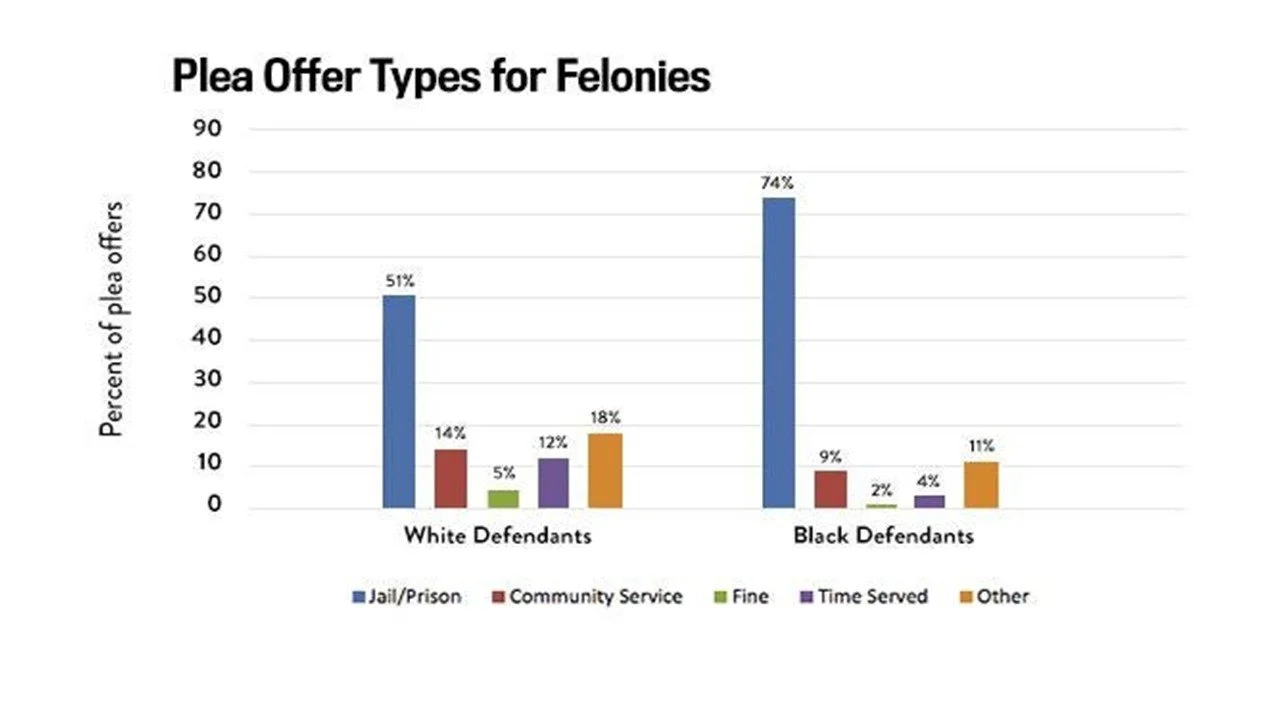
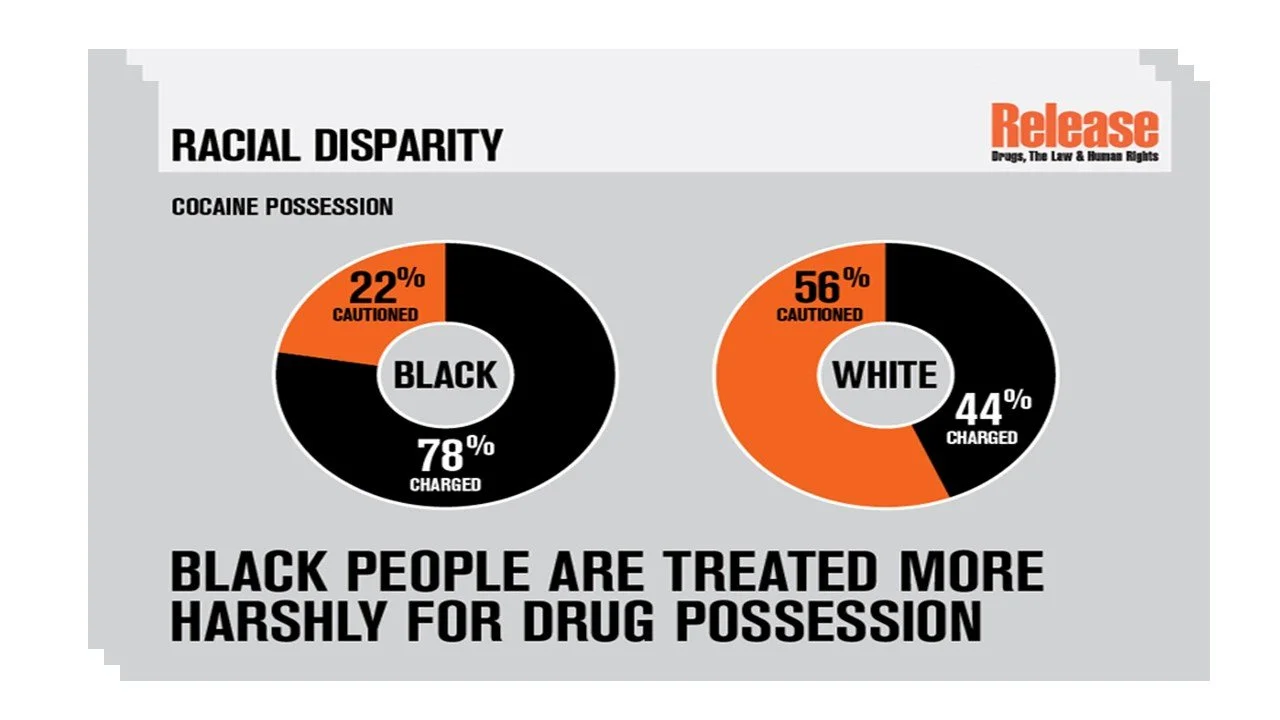
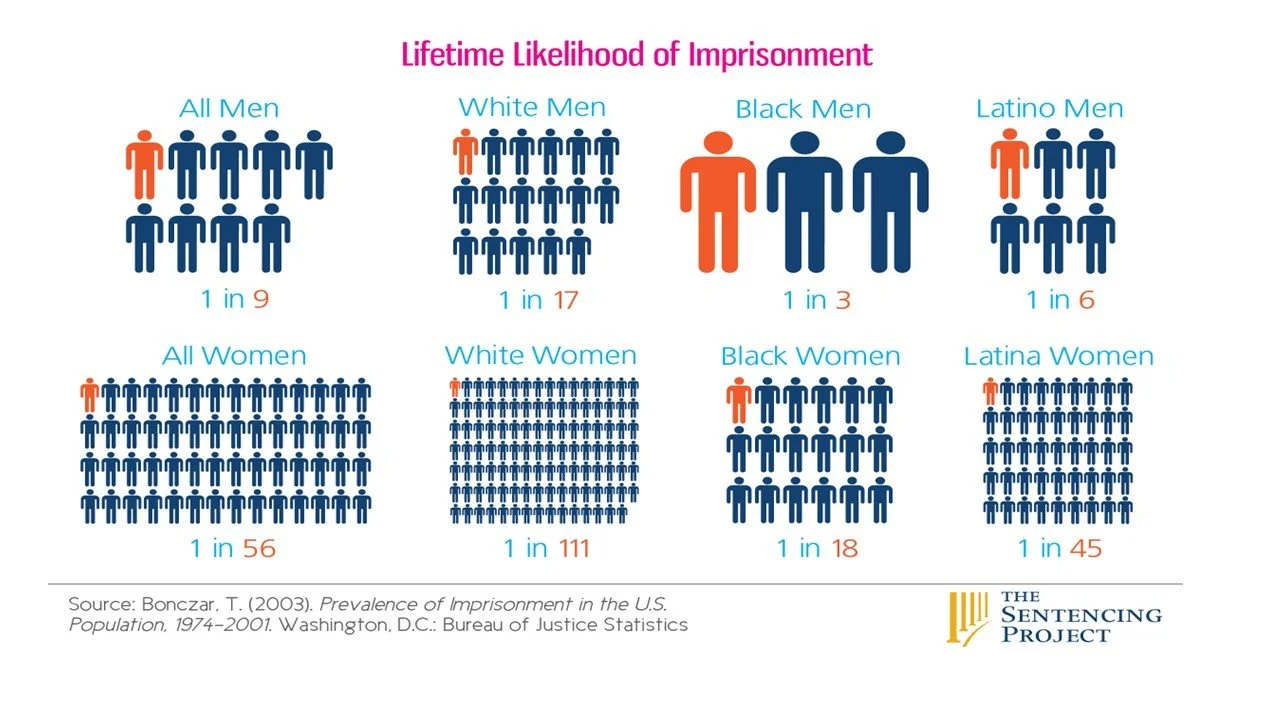
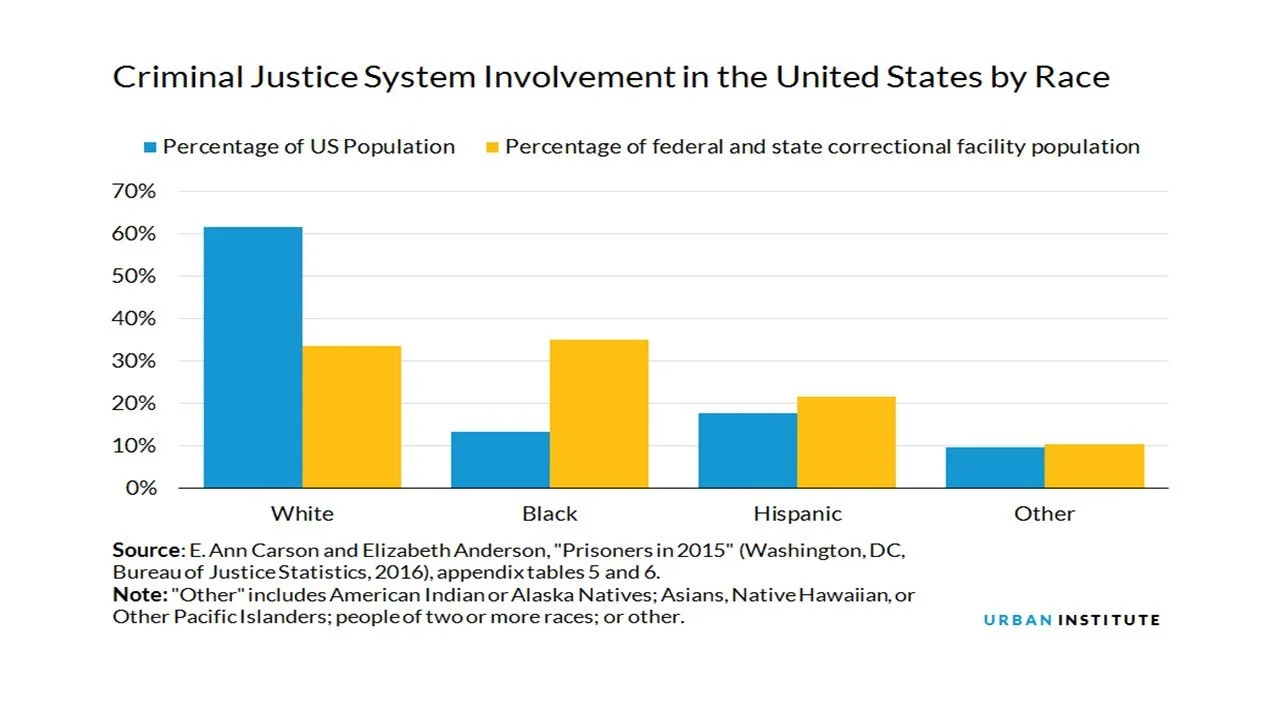
The Criminal Legal system begins with Police stops where Blacks are stopped at 2 times the rate of whites. Searches of Blacks during traffic stops is 3 times the rate of Whites. While 14% of drug users are Black, 46% of drug arrests are Black. Many local Louisiana jails and prisons are operated by private corporations to house state and federal prisoners. Thus incarceration is used not just for punishment or rehabilitation, but also for profit. Once prisoners are sentenced, little information is available on prison conditions and medical care provided. As a result of unexplained deaths in the closed carceral environment, Incarceration Transparency was begun by Loyola University's School of Law to track and document deaths. One startling fact that was exposed was that people who could not make bail and had not had a trial and been found guilty, died in jails after waiting more than a year for a trial.
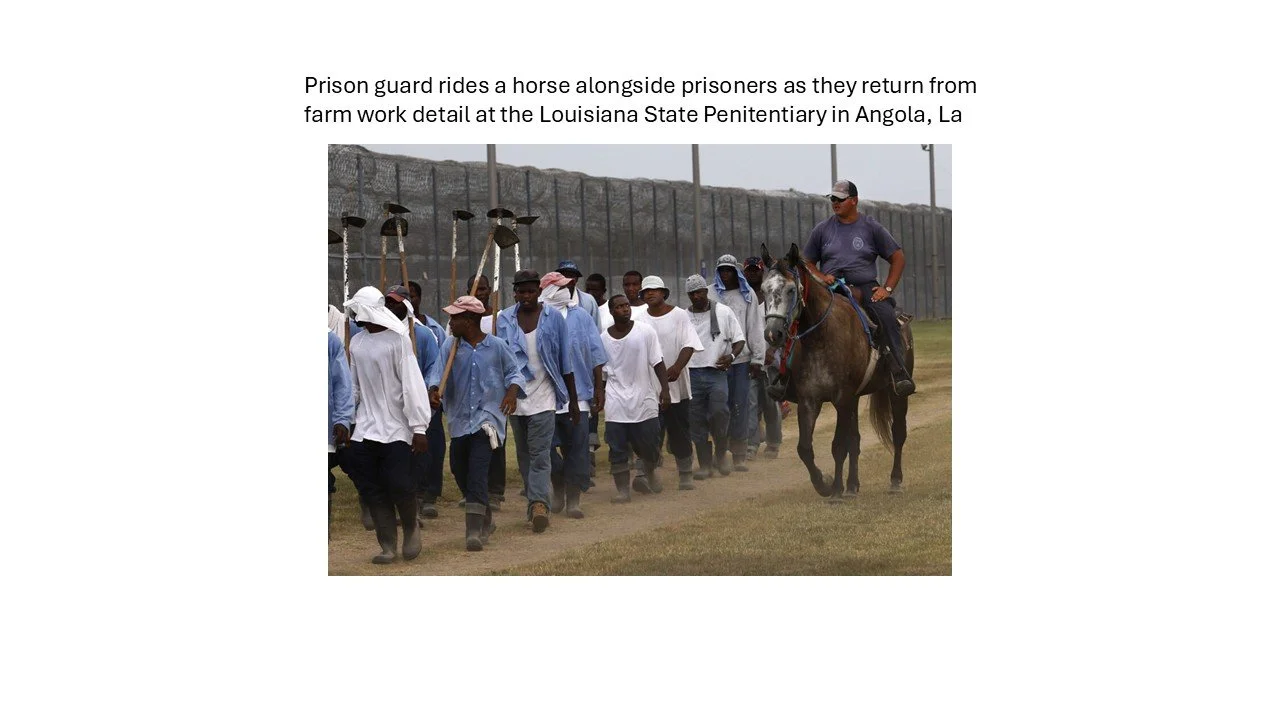
Angola is imposing in its sheer scale. The so-called “Alcatraz of the South” is tucked far away, surrounded by alligator-infested swamps in a bend of the Mississippi River. It spans 18,000 acres – an area bigger than the island of Manhattan – and has its own ZIP code. The former 19th-century antebellum plantation once was owned by one of the largest slave traders in the U.S. Today, it houses some 3,800 men behind its razor-wire walls, about 65 percent of them Black. Within days of arrival, they typically head to the fields, sometimes using hoes and shovels or picking crops by hand. They initially work for free, but then can earn between 2 cents and 40 cents an hour. There have been suits and court judgements regarding safe working and living conditions at Angola. Angola is now required to provide more water and rest breaks during field work in summer temperatures.
A 2 year investigation of prison labor by the Associated Press documented in January 2024 that "80 cattle raised at Angola by prisoners were driven in 3 long trailers to Baton Rouge where a local livestock dealer bought them. He then sold the cattle to a Texas beef processor. Meat from that slaughterhouse winds up in the supply chains of some of the country's biggest fast-food chains, supermarkets and meat exporters, including Burger King, Sam's Club and Tyson Foods."