Criminal Legal System
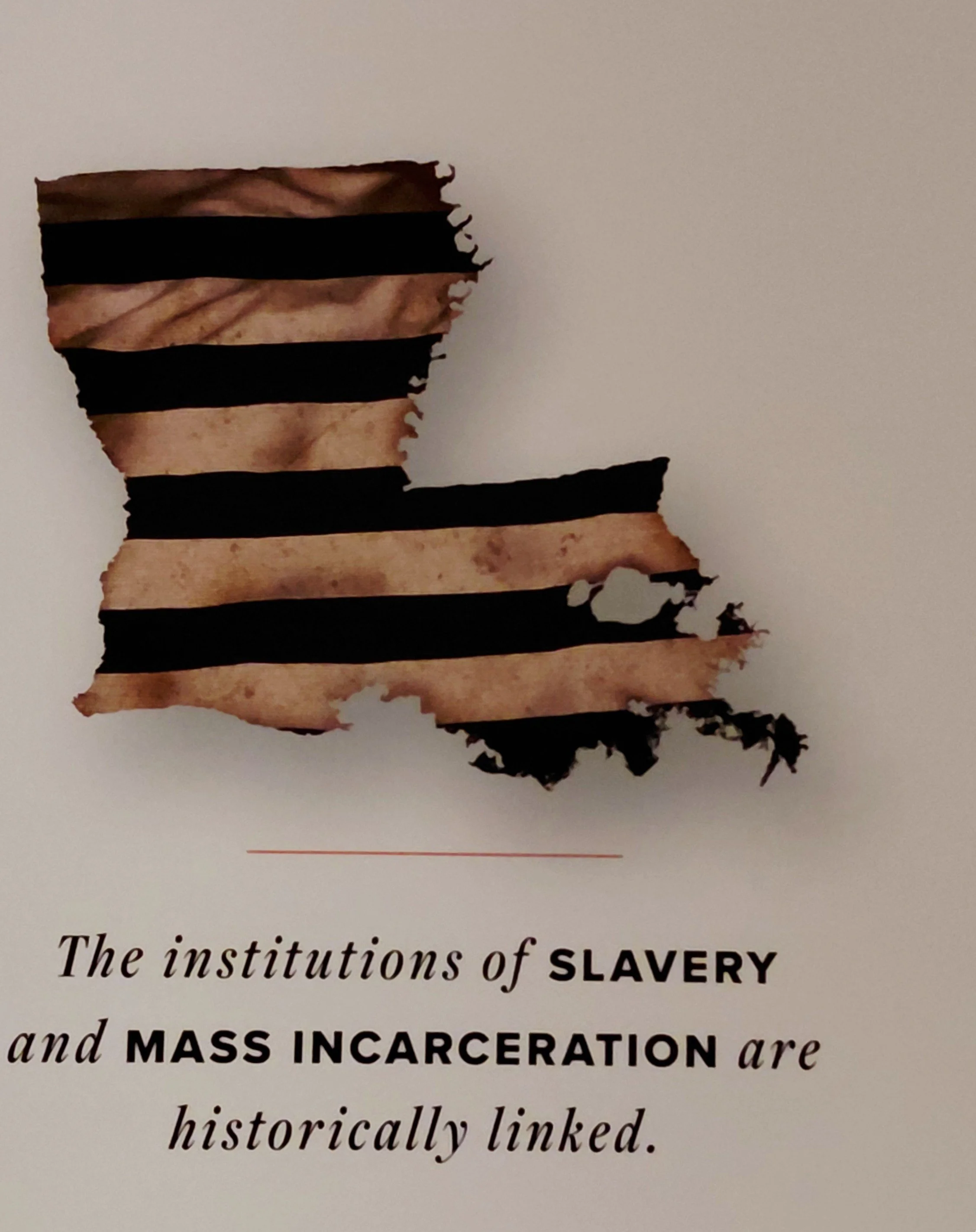
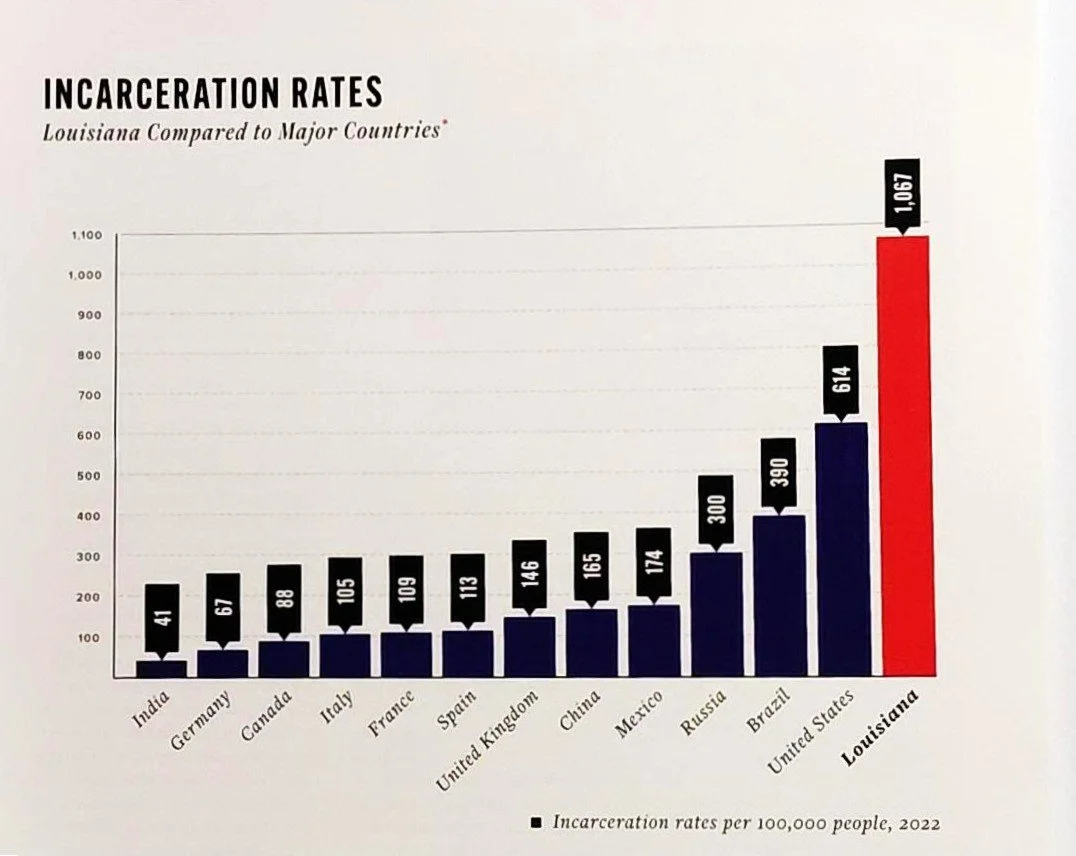
Louisiana has the highest incarceration rate of anywhere in the world, and nearly twice that of the United States as a whole.
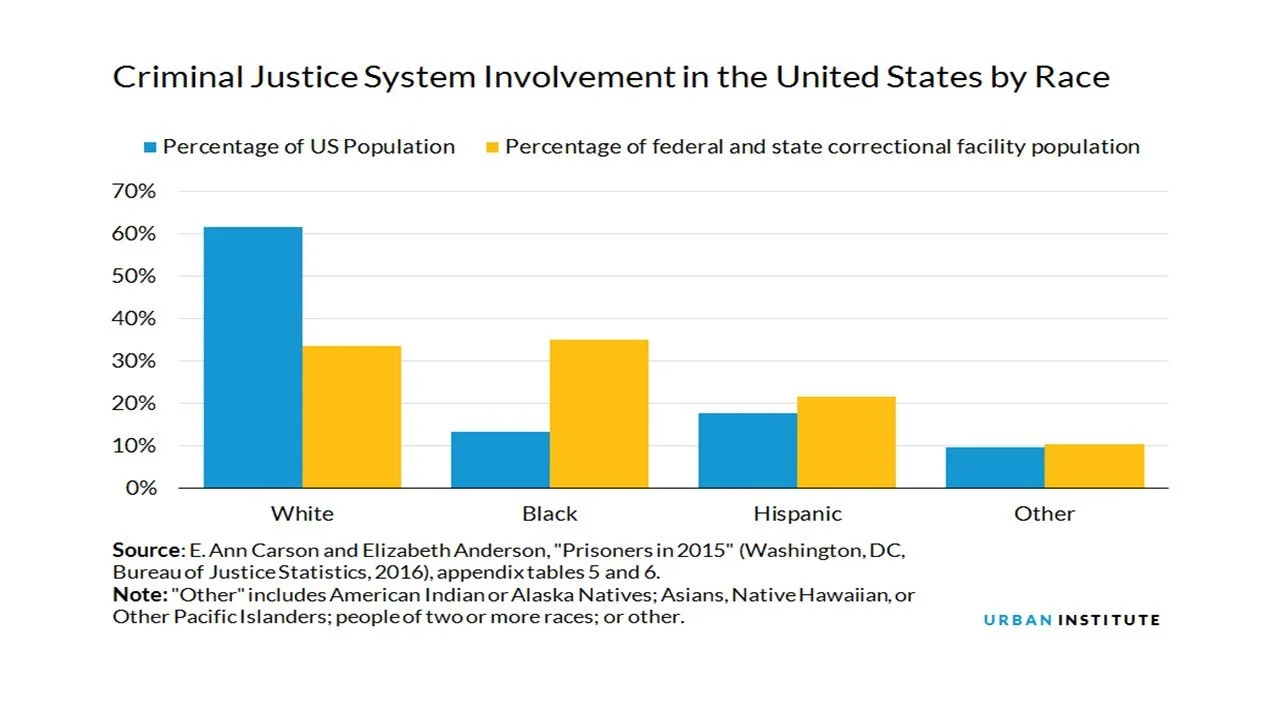
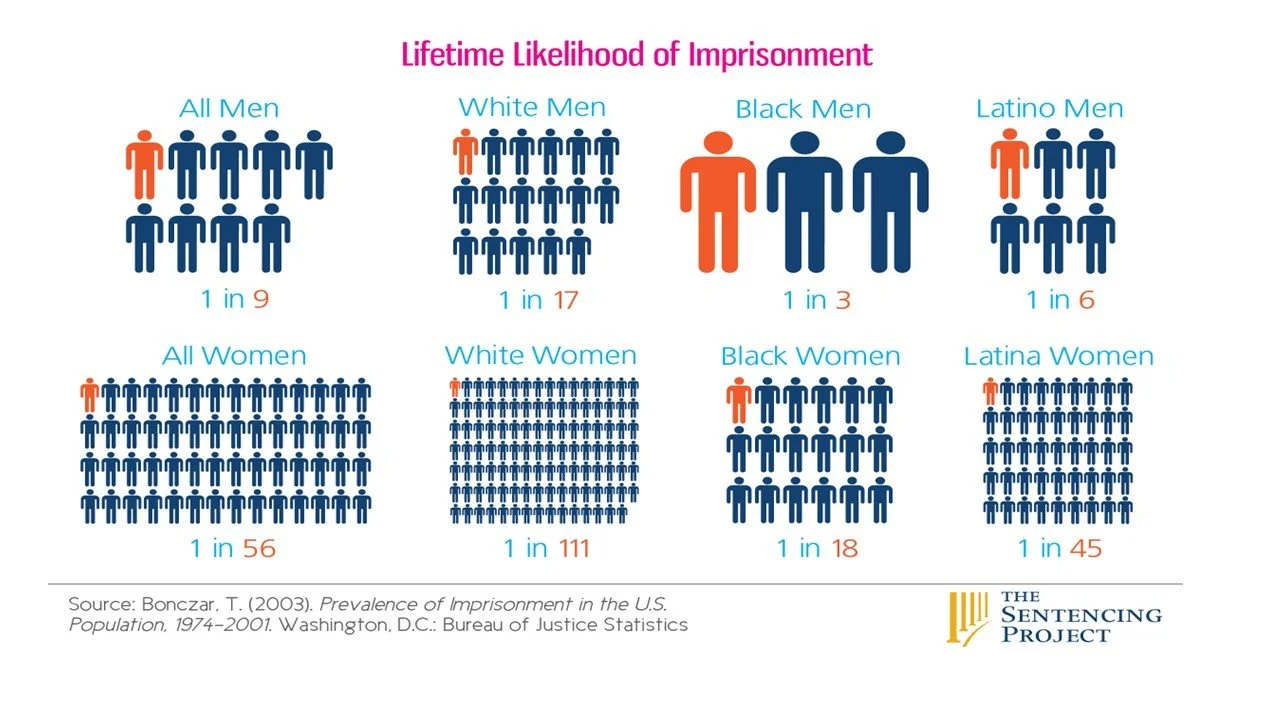
The Criminal Legal system begins with Police stops where Blacks are stopped at 2 times the rate of Whites. Searches of Blacks during traffic stops is 3 times the rate of Whites. While 14% of drug users are Black, 46% of drug arrests are Black.
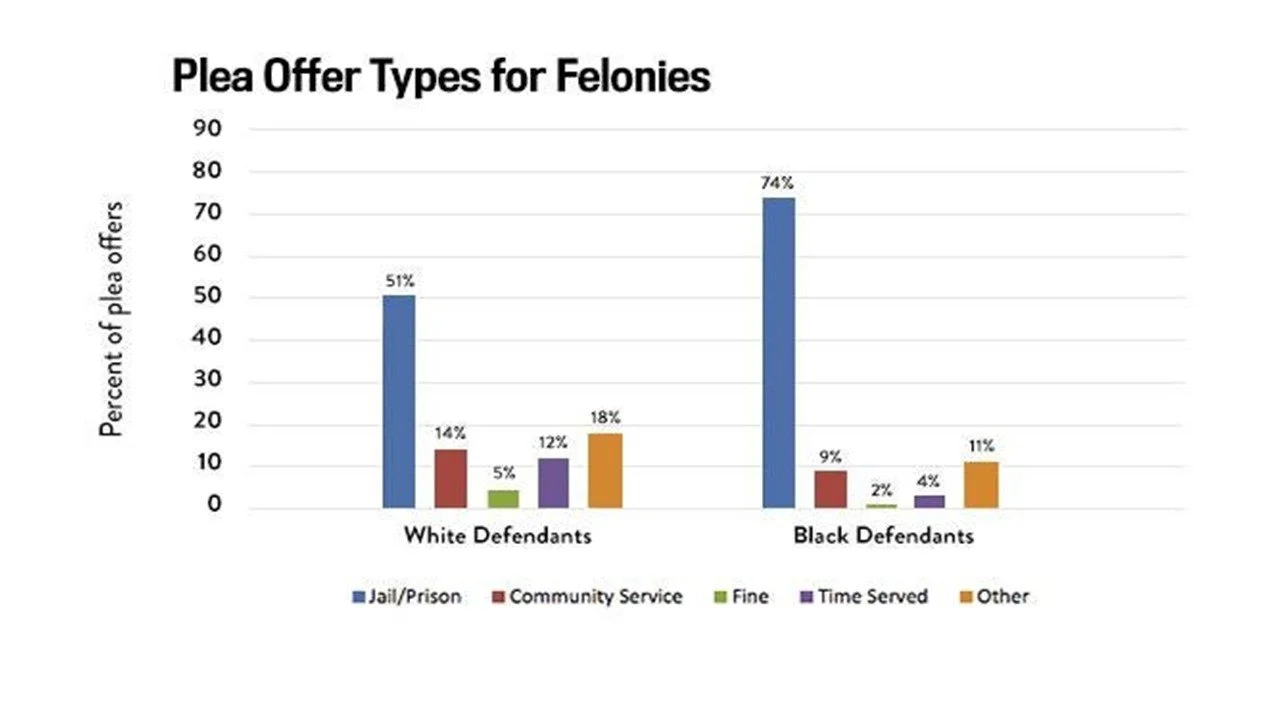
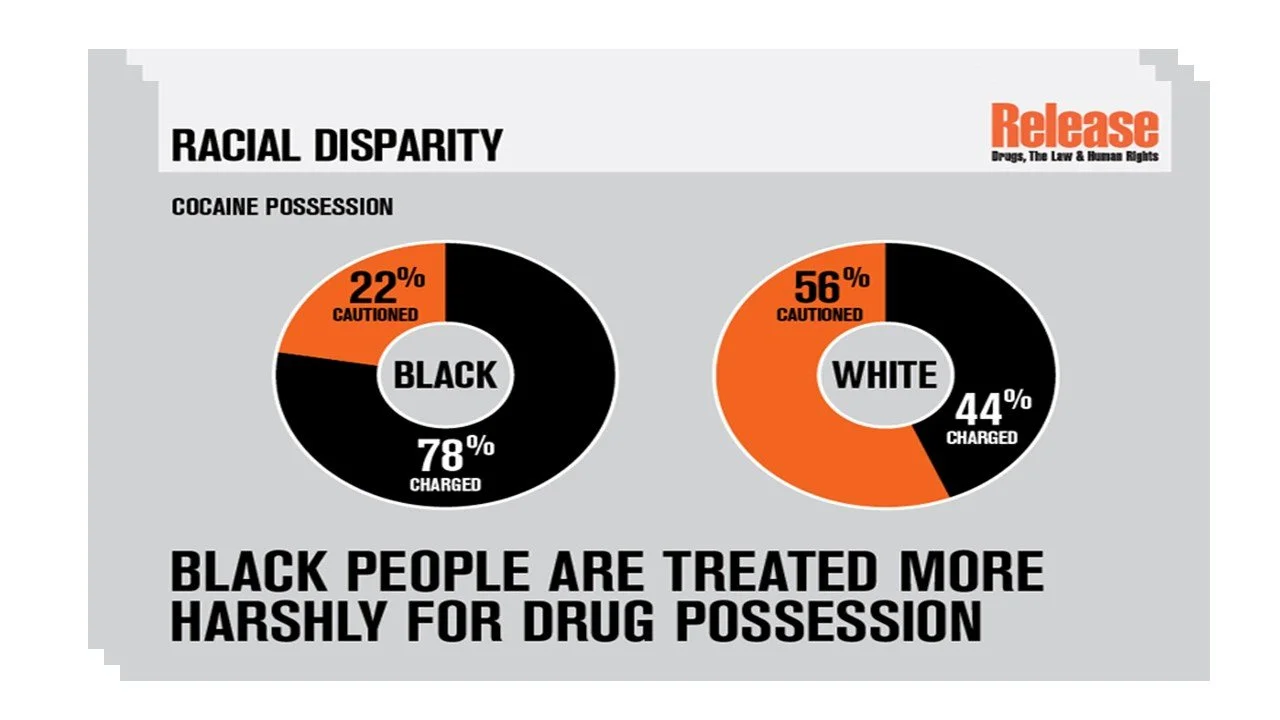
LOUISIANA CRIMINAL STATISTICS:
Statewide statistics from Innocence & Justice Louisiana highlight a deeply disproportionate impact on Black residents and severe systemic failures:
Racial Disparity: Despite making up 31% of the state's population, Black individuals account for 84% of Louisiana's wrongful convictions. [1]
Extended Imprisonment: Exonerees in Louisiana spend an average of 18 years wrongfully imprisoned (double the national average of 9 years). [1]
Death Penalty Reversals: Louisiana has a death penalty reversal rate over 80%. Historically, for every 7 people executed in the state, 3 have been exonerated from death row. [2],[3]
Primary Causes: Documented wrongful convictions are heavily linked to official misconduct, mistaken eyewitness identification, false confessions, and the use of false or misleading forensic evidence. [4]
LOUISIANA LEADS IN:
Excessive Sentencing. More Louisiana citizens are sentenced to life in prison than in any other state. Harsh laws like the habitual offender statutes, the elimination of parole, and laws that treat all participants in the crime equally for sentencing, drive extreme, often unjust, sentences and keep prison populations high.
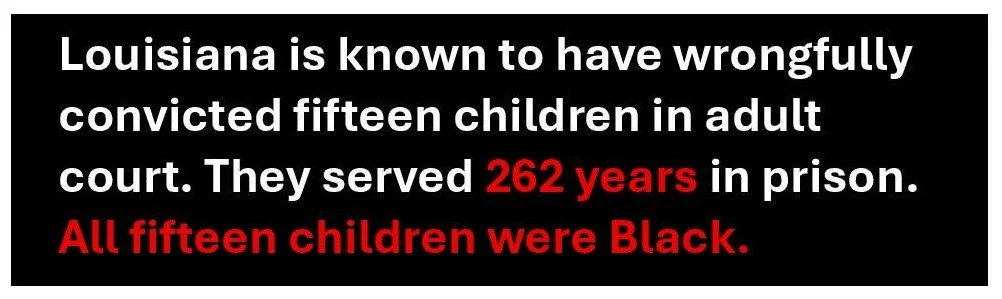
Juveniles: Nearly 90% of people serving life sentences received them as juveniles, often without parole. Since 2012, 90% of children facing life without parole sentences today are Black.
Wrongful Convictions: Louisiana has the second-highest known rate of wrongful convictions in the United States, with a per capita exoneration rate of 1.93 per 100,000 residents. New Orleans leads the nation among major cities, holding the highest standardized exoneration rate of 10.56 per 100,000. [1, 2, 3, 4, 5]
LOUISIANA STATE PENITENTIARY:
The Louisiana State Penitentiary — better known as Angola — dominates the landscape simply by its vastness. Often called the “Alcatraz of the South,” the prison sits deep in a remote bend of the Mississippi River, ringed by swamps thick with alligators. The compound stretches across 18,000 acres, larger than Manhattan, complete with its own ZIP code.
Once a 19th-century plantation owned by one of the nation’s major slave traders, the site now confines roughly 3,800 men, about 65 percent of whom are Black. Within days of arriving, most are sent into the fields, working with hoes, shovels, or their bare hands to tend and harvest crops. They initially work for free but then can earn between 2 cents and 40 cents an hour. This continues an old system of convict leasing, begun in 1844, profitable for the prison and private plantation landowners (lessees) alike. [6]
There have been many suits and court judgements regarding safe working and living conditions at Angola. Prisoners on death row no longer have raw sewage on the floors of their cells, and Angola is now required to provide more water and rest breaks during field work in high summer temperatures. However, as recently as June, 2026, courts acknowledged the dangerous working and living conditions at Angola but declined to order reforms due to recent 5th Circuit precedent.
Prisons do not exist apart from society; they reflect it. Carceral conditions are not accidents; they are choices made by the society that builds them. Once we remove someone’s ability to protect themselves or seek medical care, we become responsible for every condition they endure.
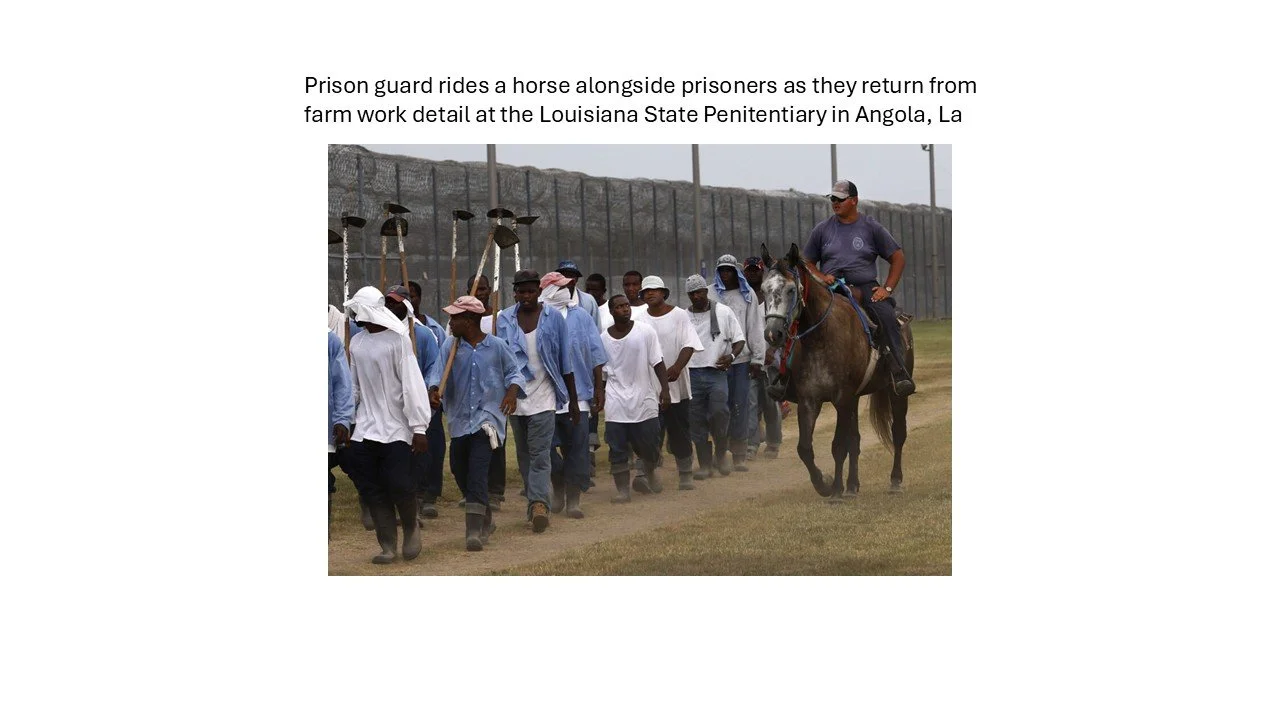
AP Report, Jan. 2024
A 2-year investigation of prison labor by the Associated Press documented in January 2024 that "80 cattle raised at Angola by prisoners were driven in 3 long trailers to Baton Rouge where a local livestock dealer bought them. He then sold the cattle to a Texas beef processor. Meat from that slaughterhouse winds up in the supply chains of some of the country's biggest fast-food chains, supermarkets and meat exporters, including Burger King, Sam's Club and Tyson Foods." This study makes explicit how entrenched the prison (slavery) system is in the economy and how dependent Louisiana is upon prisoners to provide unpaid labor.
Many local Louisiana jails and prisons are operated by private corporations to house state and federal prisoners. Thus, incarceration is used not just for punishment or rehabilitation, but also for profit. Medical care is often provided by contracts with professionals who have restricted licenses; they are not allowed to treat the public in independent settings due to past performance. There are also not enough practitioners to care for the large number of people imprisoned. Once prisoners are sentenced, little information is available on prison conditions and medical care provided. As a result of unexplained deaths in the closed carceral environment, Incarceration Transparency was begun by Loyola University's School of Law to track and document deaths in prison. One startling fact that was exposed was that poor people who could not make bail and had not had a trial and been found guilty, died in jails after waiting more than a year for a trial.
Orleans Parish had a 2022 estimated population of 369,749. Jail and Prison Facilities in this parish include Orleans Justice Center (aka Orleans Parish Prison), Orleans Temporary Detention Center, and Juvenile Justice Intervention Center.
The Orleans Parish Prison has been under a federal consent decree since 2013 following the Department of Justice’s findings of unconstitutional conditions. Parish Prison is a jail, not a medical facility – yet it has the second largest mental health caseload in the state, exceeded only by East Louisiana State Hospital. According to Metrocrime Weekly, 1,317 people were detained in the jail as of January 19, 2026. 545 people were on the mental health caseload, representing 56% of the entire jail population. As a jail, new people are admitted and released daily so there are no long-term treatment programs such as those found in a mental hospital.
The opposite of love is not hate; it’s indifference.
— Elie Wiesel